Amid the rapid acceleration of digital transformation across every sphere of social life, personal data has increasingly emerged as a distinctive form of “digital asset”, intrinsically linked to human rights, privacy, and the safety of individuals in cyberspace. No longer merely a technological issue, personal data protection has become an urgent imperative for a modern legal system, while simultaneously presenting new challenges for state governance, businesses, and the development of a digital society.
Against this backdrop, Ho Chi Minh City University of Law organized two International Conferences themed “Personal Data Protection in the Digital Environment from Legal Perspectives”, creating a specialized academic forum that brought together scholars, legal experts, policymakers, international organizations, enterprises, and educational institutions from Viet Nam and abroad to exchange perspectives, analyze emerging issues, and propose solutions for improving the legal framework on personal data protection in Viet Nam.
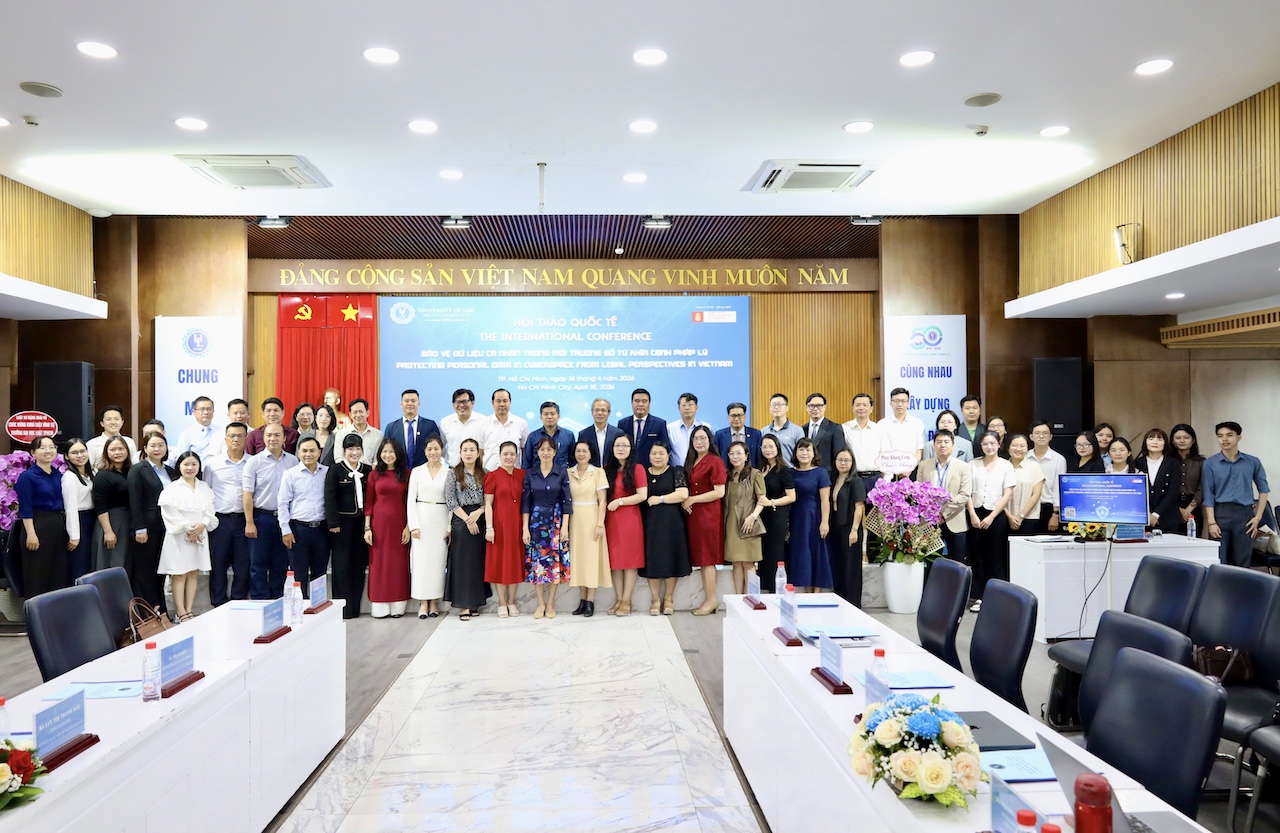
Delegates attending the first International Conference posed for a commemorative photograph
The first International Conference was held on April 18 in Ho Chi Minh City amid the growing prevalence of personal data infringements through increasingly sophisticated methods, ranging from the illegal trade of personal information and data breaches to the exploitation of user data for online fraud and cybercrime. From these practical concerns, experts focused on analyzing existing legal gaps in Viet Nam’s personal data protection regime, while drawing upon international experiences to propose orientations for refining the legal framework in alignment with the demands of digital transformation and global integration.
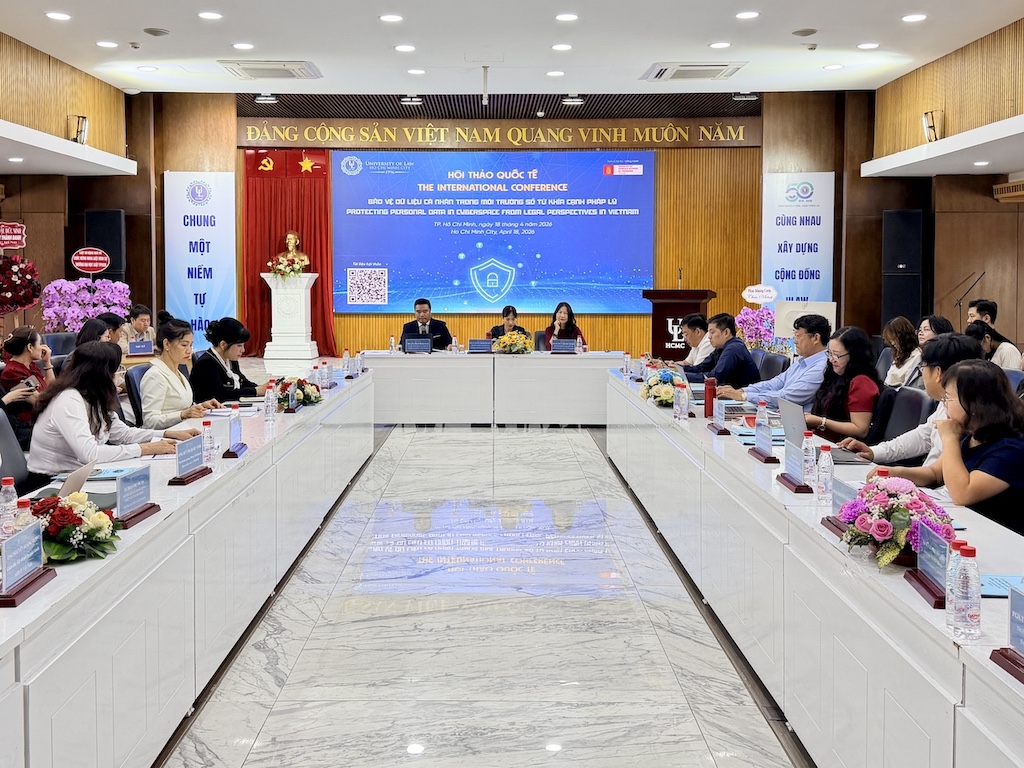
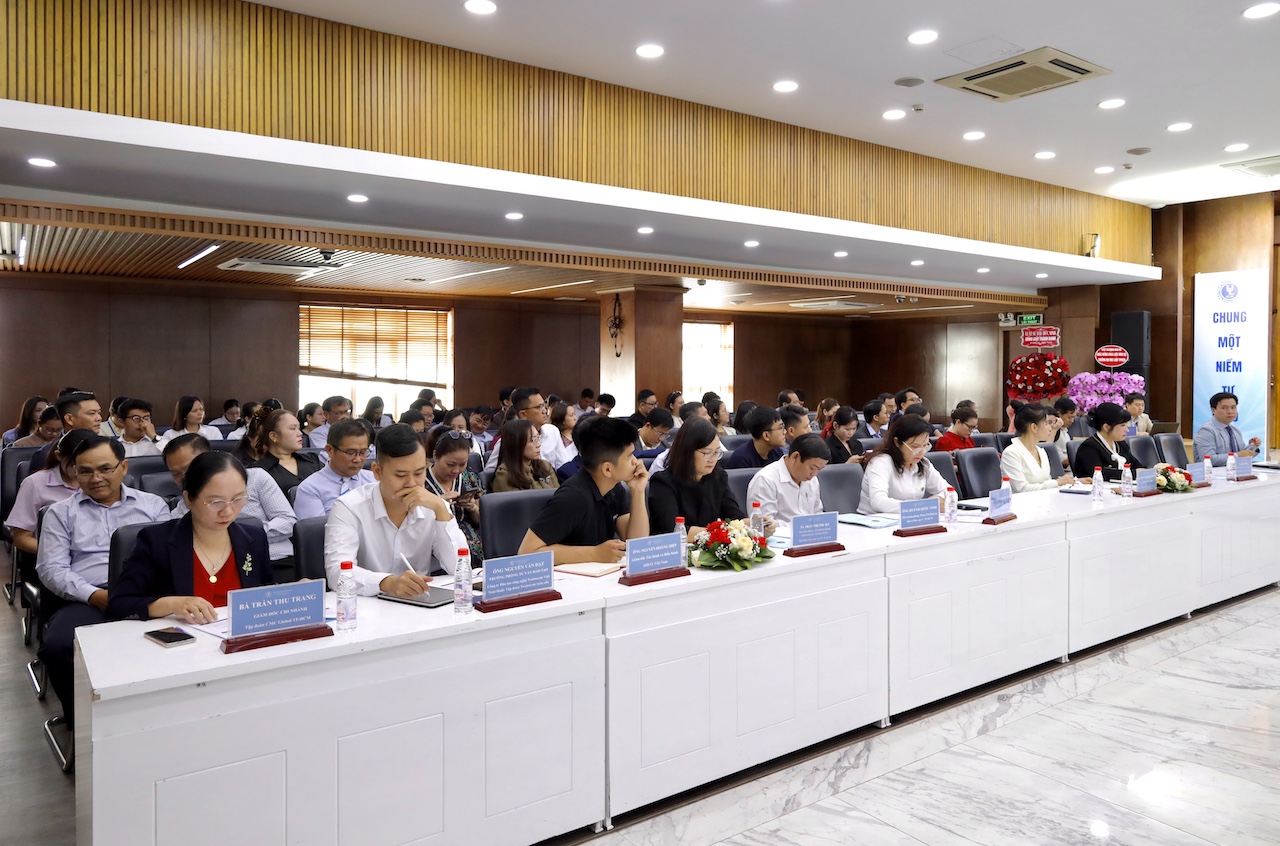

An overview of the first International Conference on “Personal Data Protection in the Digital Environment from Legal Perspectives” held at the Nguyễn Tất Thành Campus of Ho Chi Minh City University of Law
Numerous presentations at the first conference also emphasized the need to recognize personal data as a special category of asset closely associated with privacy rights and fundamental human rights in the digital environment. According to scholars and researchers, alongside the expansion of the digital economy, personal data has evolved beyond mere identifying information to become a highly valuable resource, thereby increasing the risks of unlawful collection, exploitation, and commercialization.

Professor Dr. Đỗ Văn Đại, Vice Rector of Ho Chi Minh City University of Law, delivered the opening remarks at the first International Conference
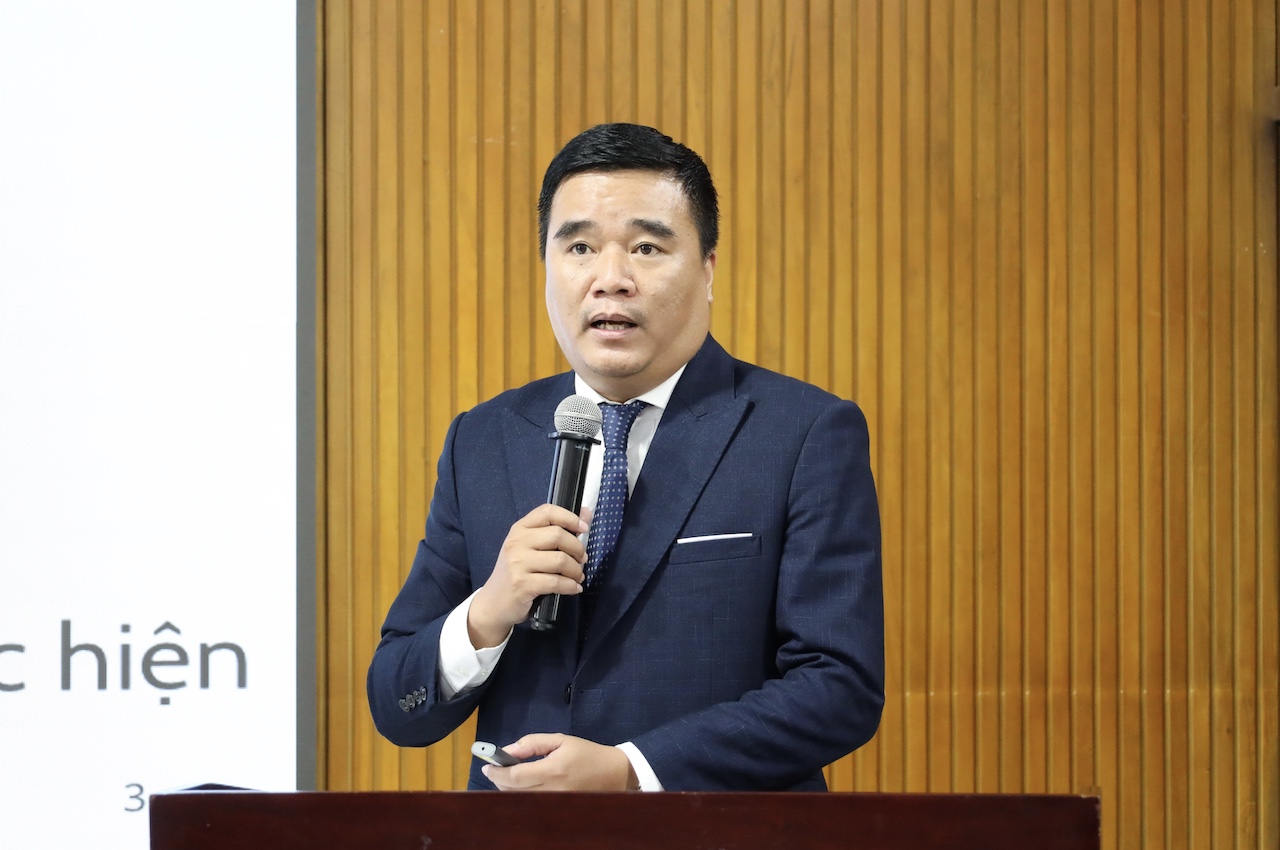
Assoc. Prof. Dr. Phan Hoài Nam, Vice Dean of the Faculty of International Law, Ho Chi Minh City University of Law, delivered his presentation at the first International Conference

Dr. Trần Thị Thu Hà, Head of the Department of Administrative Law, Faculty of Administrative and State Law, Ho Chi Minh City University of Law, delivered her presentation at the first International Conference

Assoc. Prof. Dr. Nguyễn Thị Phương Hoa, Head of the Faculty of Criminal Law, Ho Chi Minh City University of Law, delivered her presentation at the first International Conference
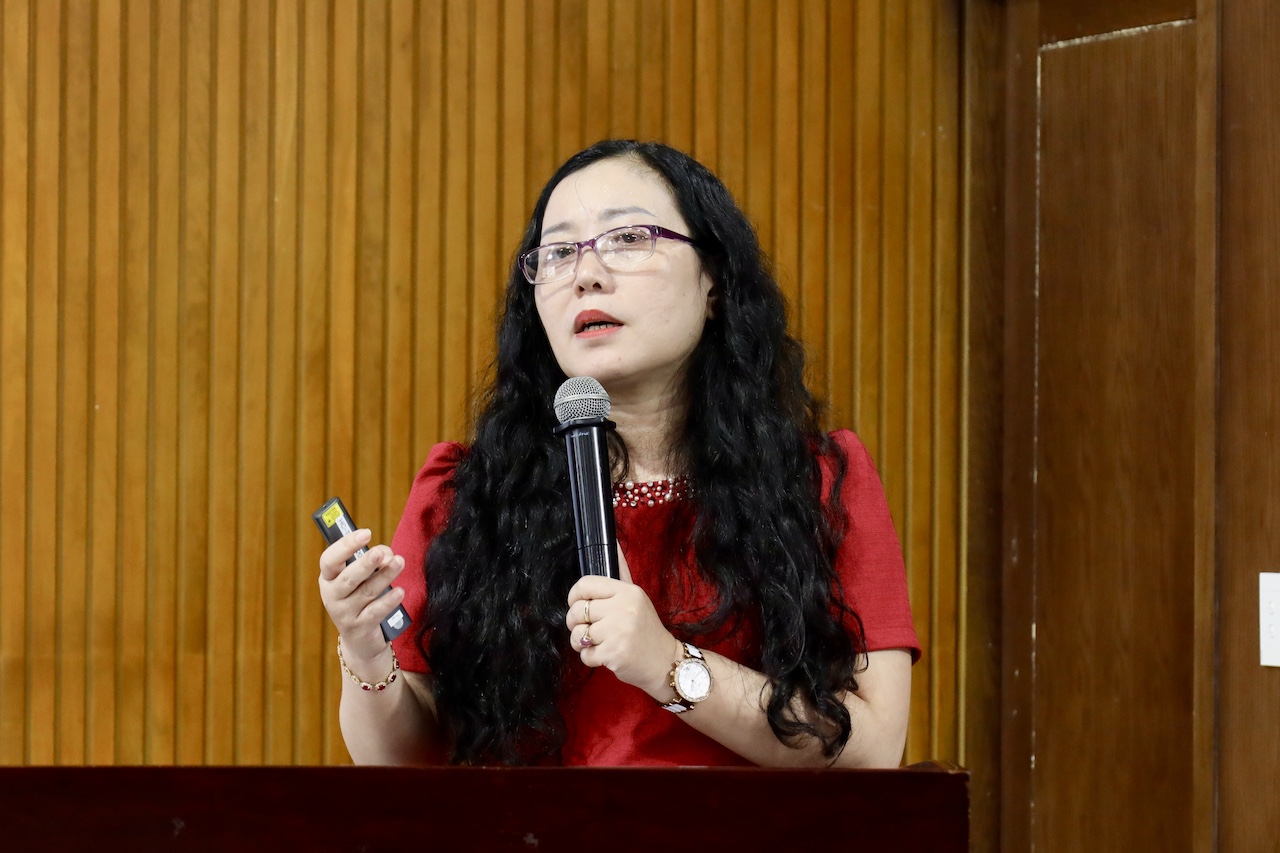
Dr. Nguyễn Thị Ánh Hồng, Head of the Department of Criminal Law, Faculty of Criminal Law, Ho Chi Minh City University of Law, delivered her presentation at the first International Conference
Many delegates further observed that the leakage and misuse of personal data has reached alarming levels, as personal information is increasingly bought and sold openly across cyberspace. Experts noted that personal data has become a form of “raw material” for various types of high-tech crimes, including financial fraud, property appropriation, and behavioral manipulation on digital platforms. Meanwhile, awareness among parts of the public and business community regarding personal data rights remains limited, further exacerbating the risks of infringement.



Delegates delivered remarks and contributed their opinions during the first International Conference
From a legal perspective, scholars stressed that Viet Nam should continue developing a comprehensive and modern regulatory framework on personal data protection in a manner consistent with international trends and standards. In particular, clarifying the rights of data subjects, the responsibilities of data processors, and enforcement and supervisory mechanisms was identified as essential to building a secure, transparent, and trustworthy digital environment.
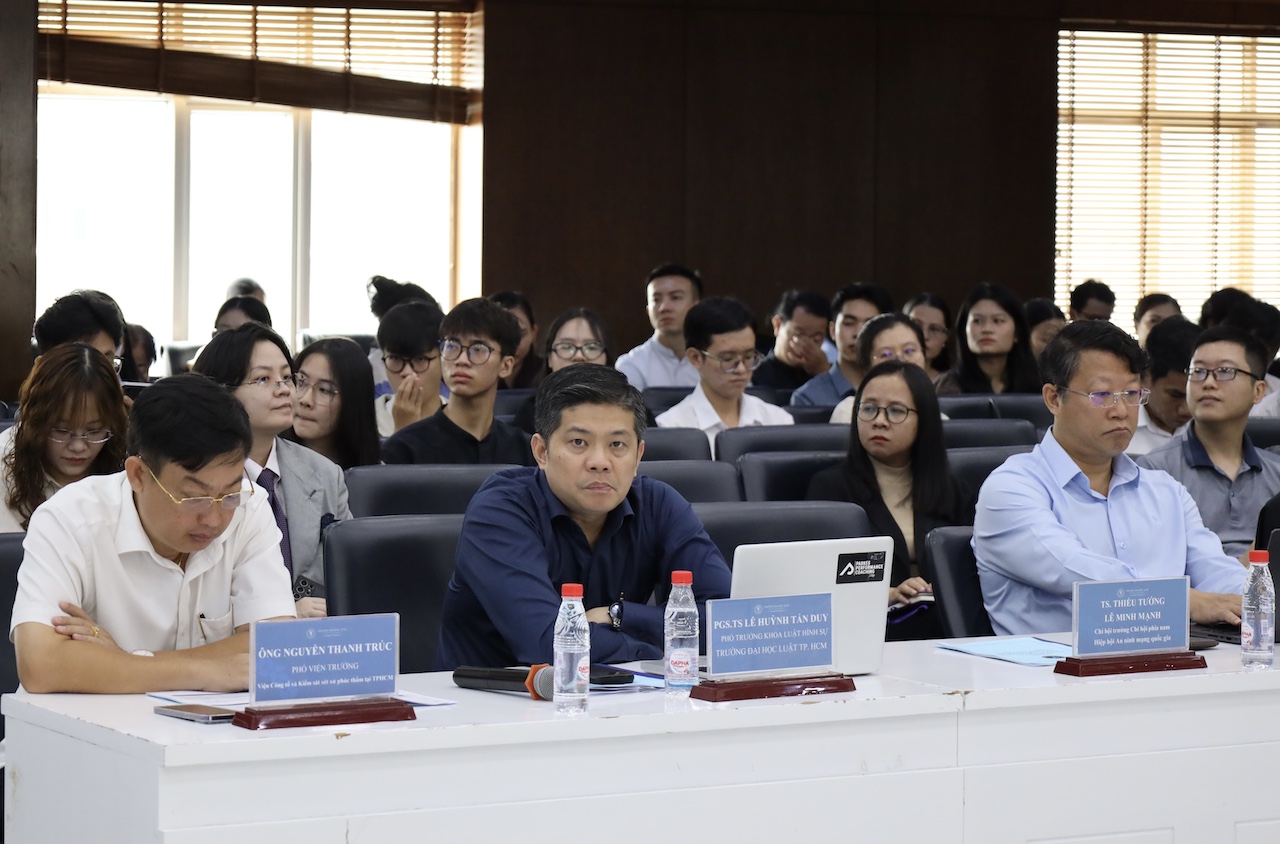
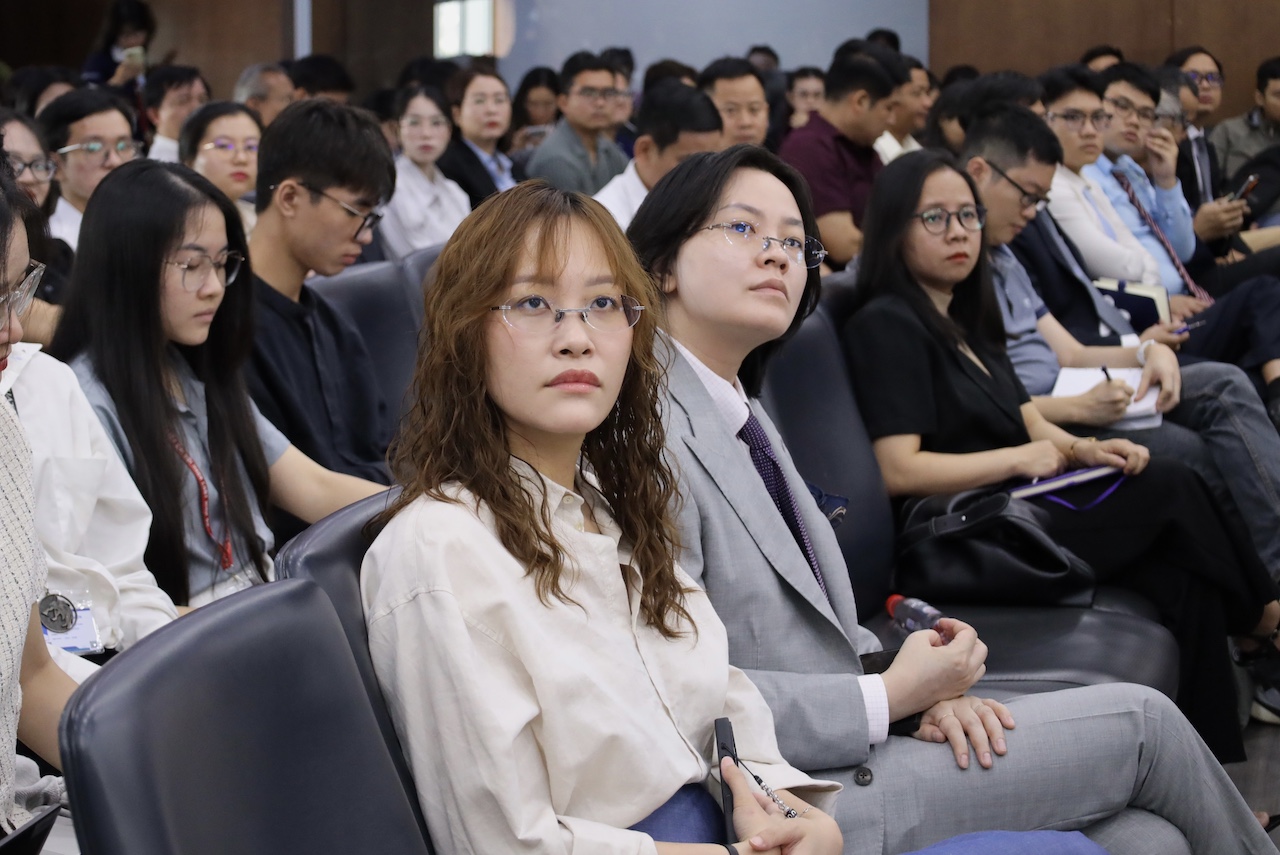
Delegates attending the first International Conference
Building upon the academic discussions initiated at the first conference, on May 15, 2026, in Hà Nội, Ho Chi Minh City University of Law, in collaboration with the Embassy of Denmark in Viet Nam, organized the second International Conference on “Personal Data Protection in the Digital Environment from Legal Perspectives”. The conference took place shortly after the National Assembly of the Socialist Republic of Viet Nam, 15th Legislature, adopted the Law on Personal Data Protection 2025, marking a significant milestone in the country’s efforts to strengthen the legal framework safeguarding privacy rights and personal data rights.


The second International Conference attracted the participation of numerous experts and scholars
Speaking at the second International Conference, representatives of Ho Chi Minh City University of Law underscored that personal data today not only carries economic value but also reflects individual identity, freedom, and security in cyberspace. Consequently, establishing an effective data protection mechanism is not merely a technical requirement, but also a matter of legal policy, human rights, and social trust within the digital economy.
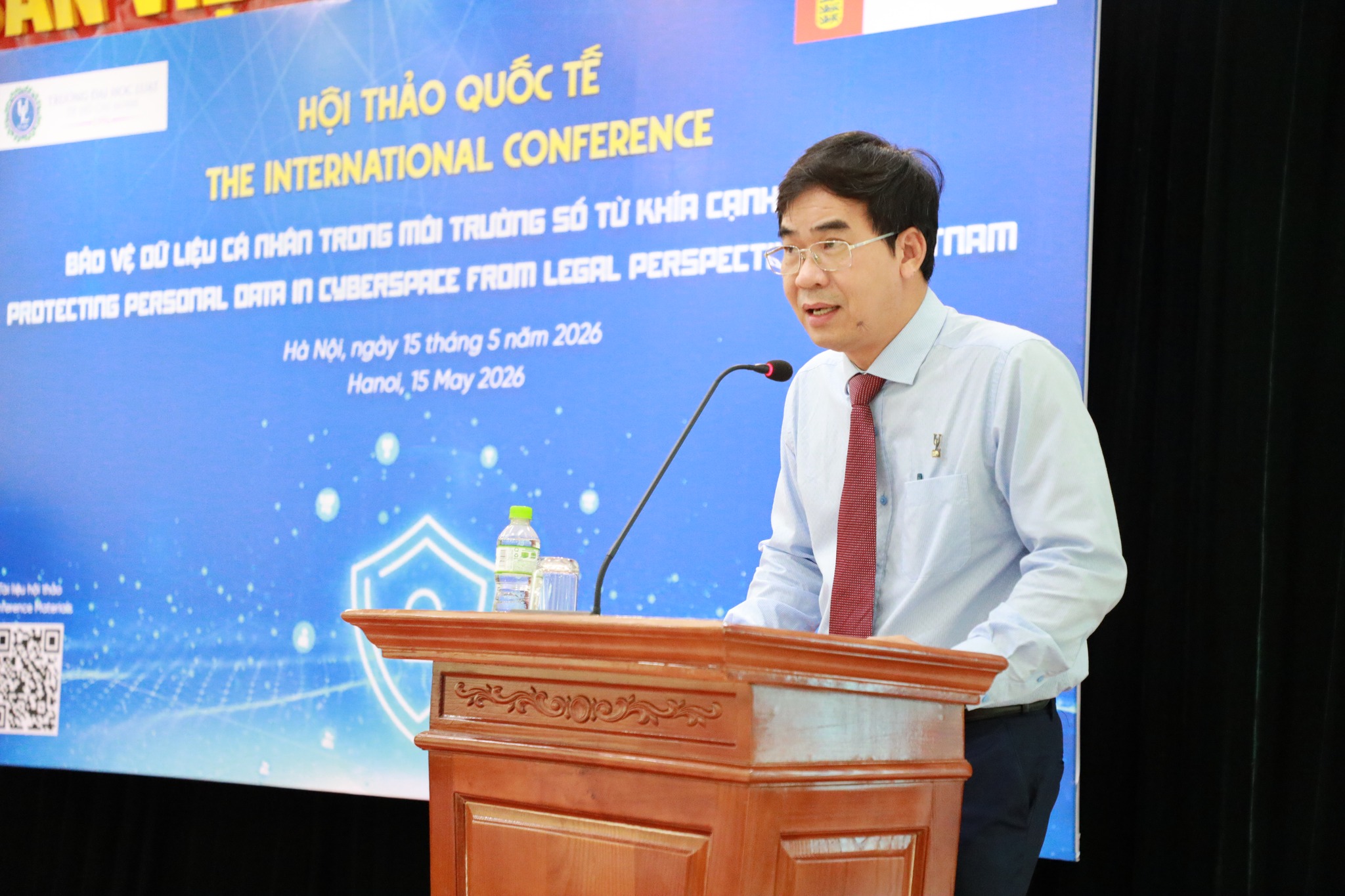
Dr. Lê Trường Sơn, Rector of Ho Chi Minh City University of Law, delivered the opening remarks at the conference
Representatives of the Embassy of Denmark in Viet Nam emphasized that for a digital society to develop sustainably, citizens must have confidence that their personal data is protected by a transparent, effective legal mechanism capable of ensuring justice whenever rights are infringed. International experts also highlighted that legal systems governing personal data should both accommodate the practical conditions of each country and maintain compatibility with international standards in order to promote integration and sustainable development.
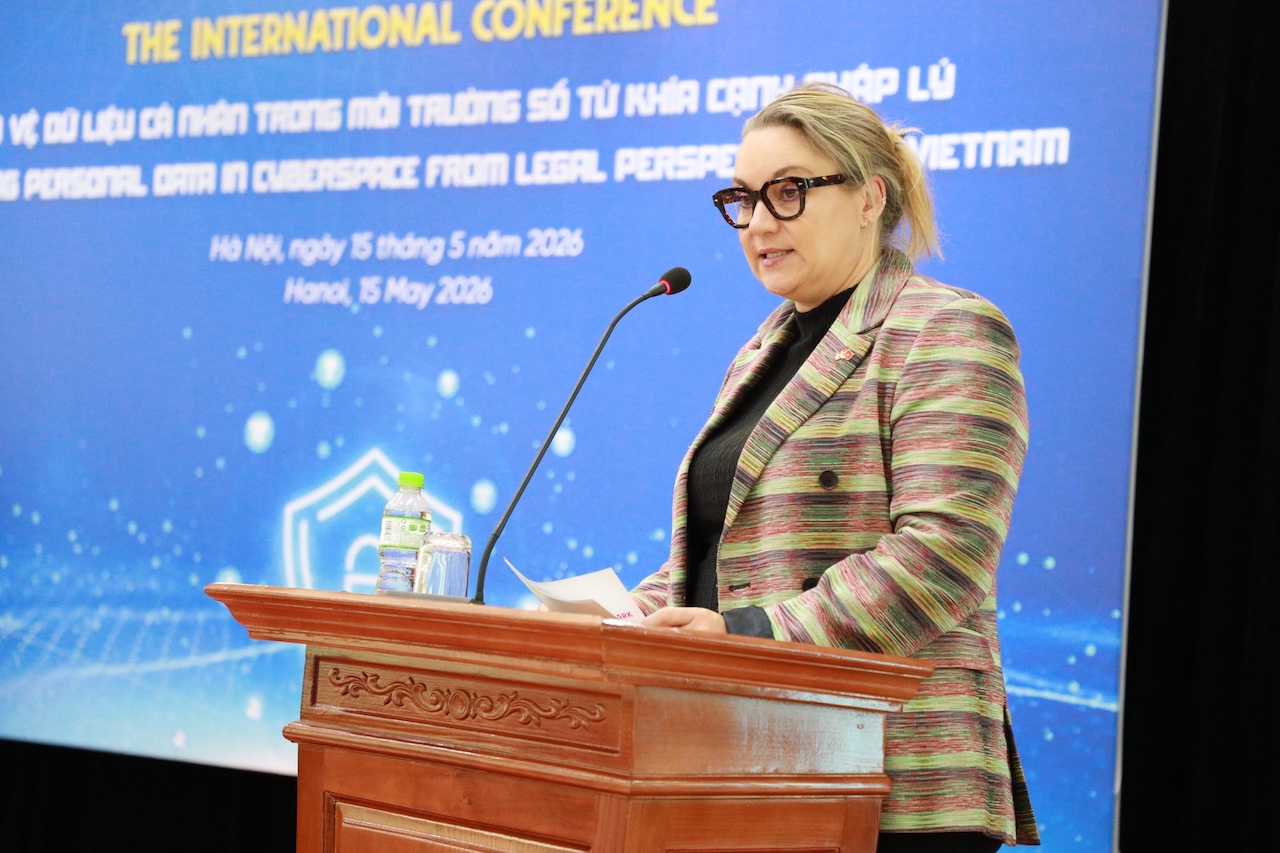
Ms. Mette Ekeroth, Deputy Head of Mission of the Embassy of Denmark in Viet Nam, delivered remarks at the conference
One of the most notable themes discussed at the second International Conference concerned legal responses to personal data violations from criminal, administrative, and civil law perspectives. Researchers observed that infringements upon personal data have become increasingly organized, professionalized, and dangerous, while current enforcement mechanisms still reveal significant shortcomings that require further refinement.
From this reality, many experts proposed studying the introduction of additional criminal offences related to acts obstructing personal data protection activities, alongside stricter sanctions against entities responsible for data management that fail to fulfill cybersecurity and confidentiality obligations, thereby causing data leaks, losses, or unlawful appropriation.
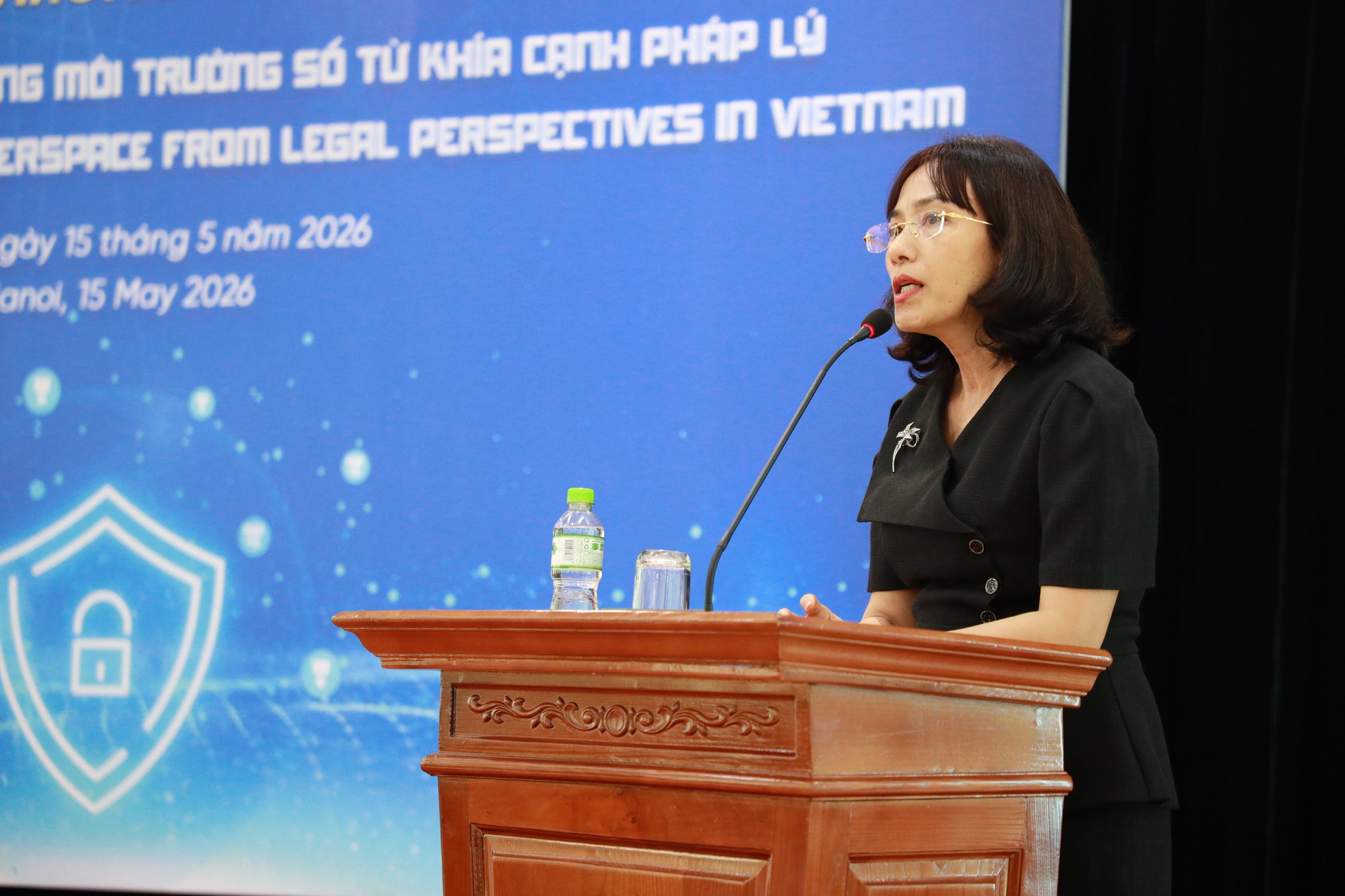
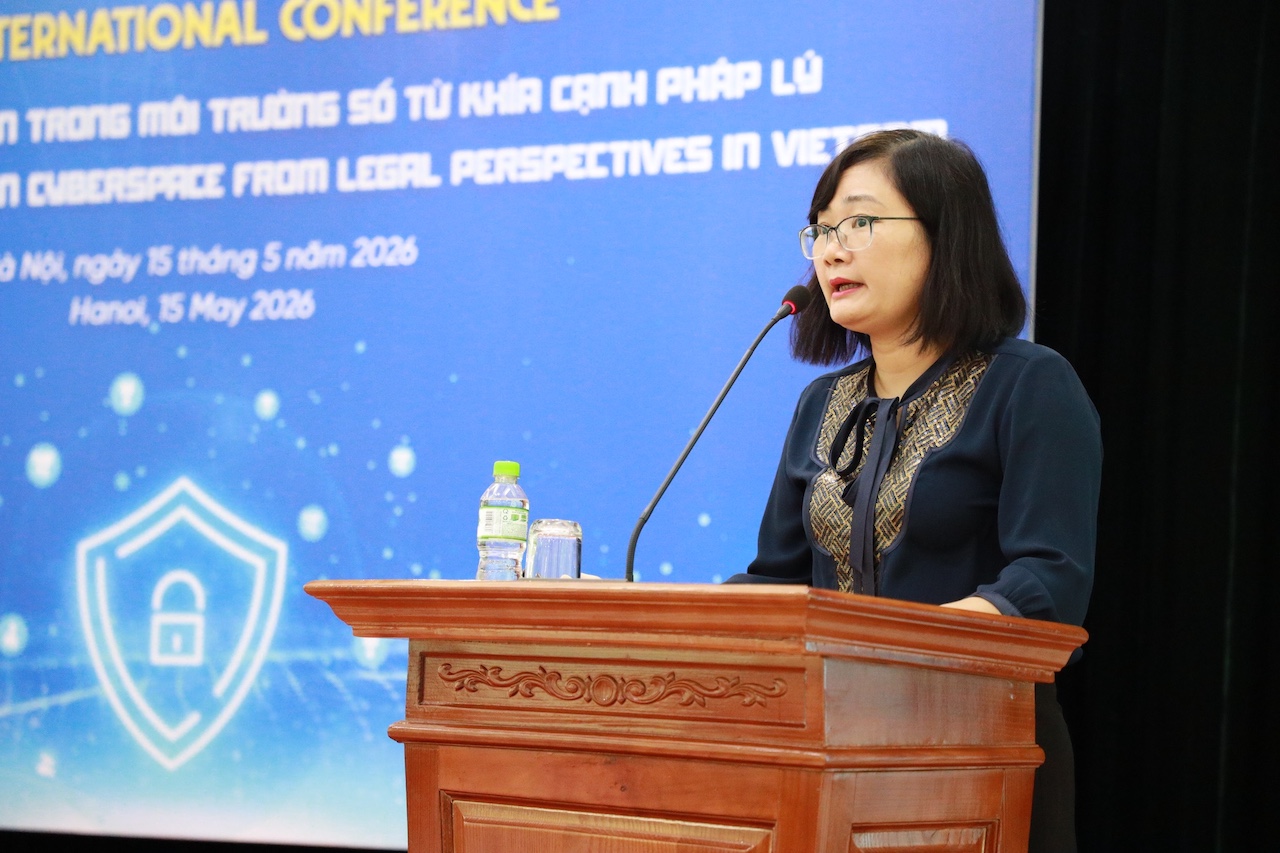


Delegates delivered presentations and contributed their opinions during the second International Conference
Presentations also stressed the need to strengthen data governance responsibilities among organizations and enterprises; improve sanctioning mechanisms for unlawful cross-border transfers of personal data; and introduce measures requiring the public disclosure of administrative penalties in order to enhance transparency and deterrence in law enforcement.
From a civil law perspective, several scholars argued that the current liability regime remains largely grounded in the general provisions of the 2015 Civil Code and has yet to adequately respond to the demands of privacy protection in the digital age. Experts therefore proposed expanding judicial discretion in determining emotional and moral damages arising from personal data infringements, while gradually studying mechanisms for predetermined compensation in contracts involving data processing activities.
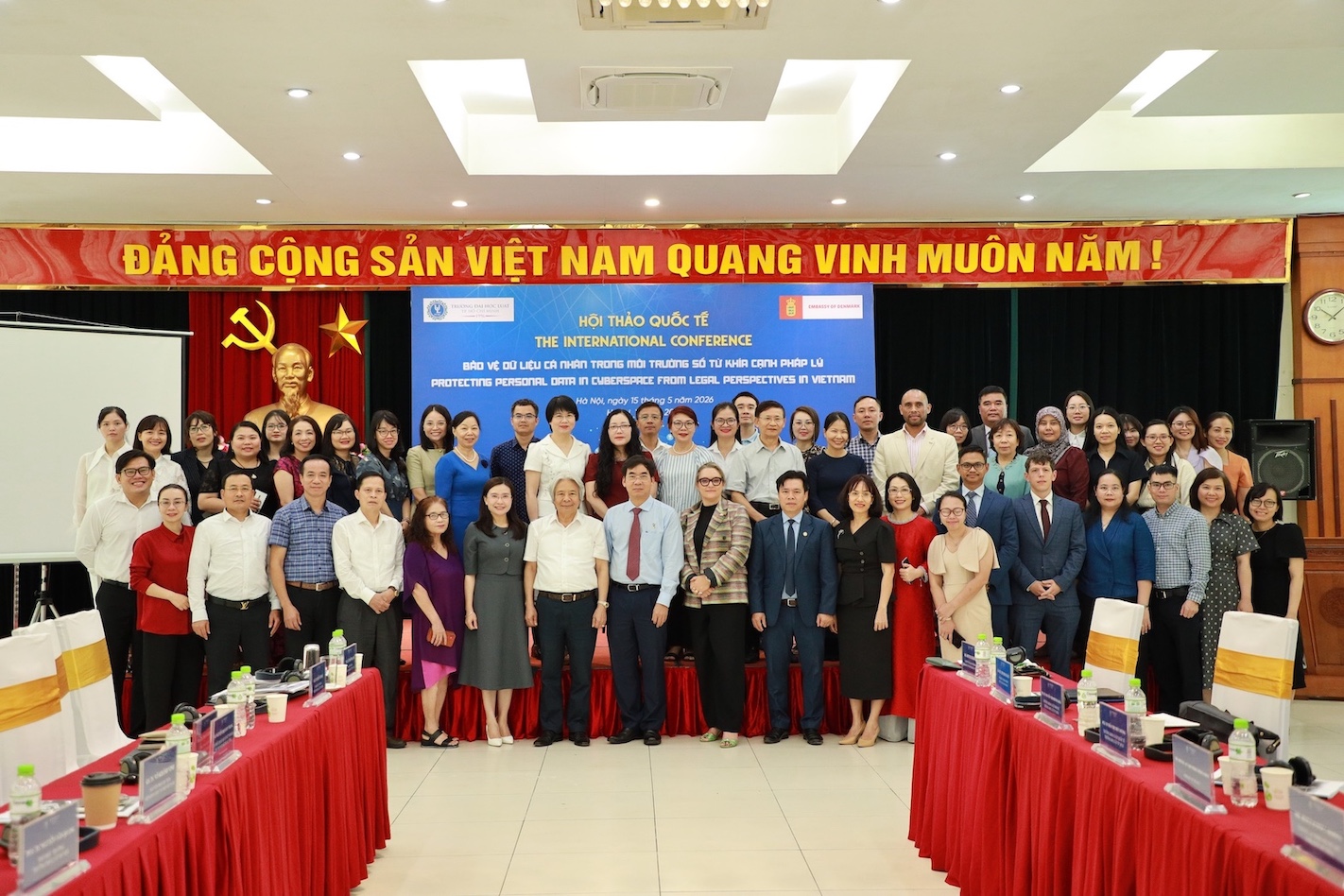
Delegates attending the second International Conference posed for a commemorative photograph
Beyond enforcement mechanisms, the rights of data subjects also emerged as a central issue throughout the conference discussions. Many experts argued that individuals should be guaranteed the right to know, the right to be notified in the event of data incidents, and the right to receive sufficient information regarding the scope of impact, potential risks, and preventive measures necessary for self-protection in the digital environment.
Through these two International Conferences, Ho Chi Minh City University of Law has not only reaffirmed its position as one of Viet Nam’s leading institutions in legal education and research, but has also demonstrated its proactive role in accompanying the nation’s law-making and policy-development process in addressing emerging challenges of the digital era.
At a time when data is increasingly regarded as a “new resource” of the digital economy, establishing a robust legal shield for personal data protection is not only a requirement of modern governance but also a vital condition for fostering social trust, promoting innovation, and ensuring the country’s sustainable development in the digital age.
Prepared by the Department of Communications and Enterprise Relation